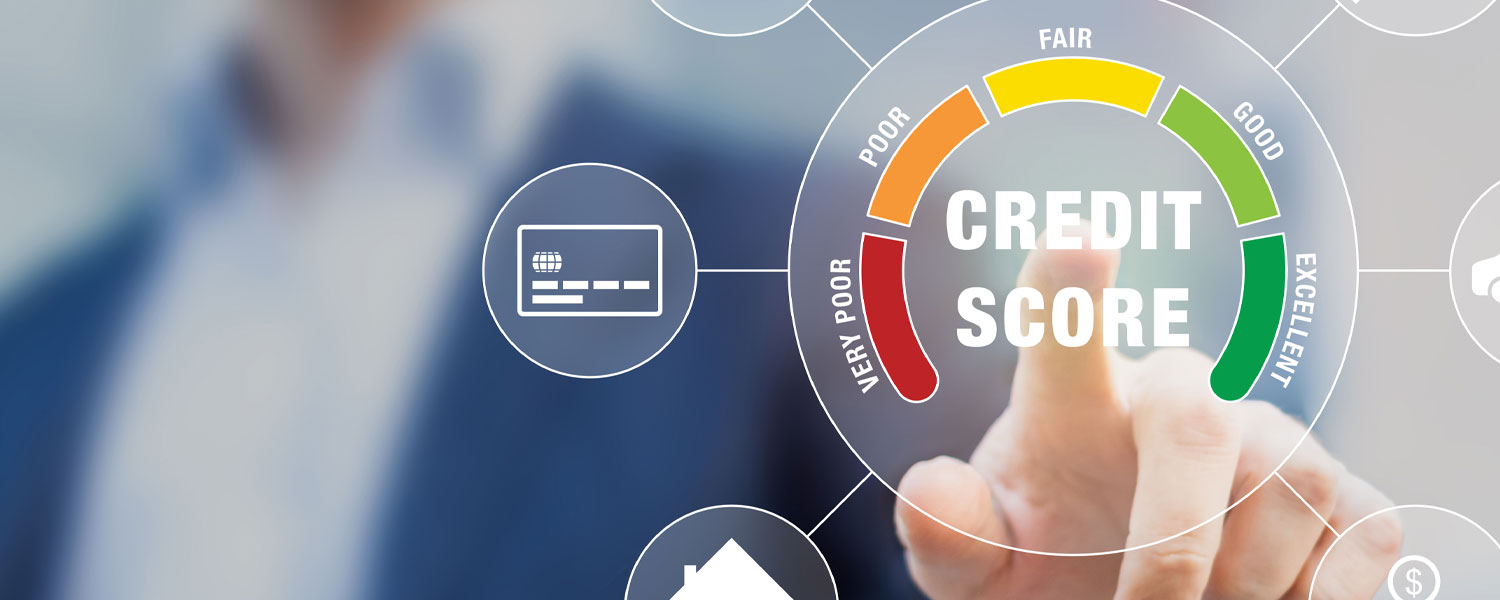
What Is Psychometric Scoring? A Deep Dive Into the Future of Credit and Behavioral Risk Assessment

Summary Answer:
Psychometric scoring is the use of psychological traits, behavioral data, and cognitive assessments to evaluate an individual’s creditworthiness or risk profile. It complements traditional credit scoring by analyzing personality traits such as conscientiousness, risk aversion, impulsivity, and decision-making skills. Psychometric scoring is especially valuable in emerging markets and among underbanked populations, where traditional financial data is scarce.
What is Psychometric Scoring?
Psychometric scoring refers to the application of standardized psychological assessments to evaluate personality traits, attitudes, and cognitive abilities, often to predict future behavior. In the context of credit scoring or risk management, this technique helps assess the trustworthiness and repayment behavior of individuals—particularly those with no formal financial history.
Related Entities:
- Behavioral economics
- Cognitive psychology
- Alternative credit data
- Financial inclusion
- Underbanked populations
- Credit risk modeling
- Artificial intelligence (AI) in finance
How Does Psychometric Scoring Work?
Psychometric scoring relies on well-designed questionnaires or digital behavioral tasks that measure:
- Cognitive traits: memory, problem-solving, attention
- Non-cognitive traits: personality, motivation, honesty, grit
- Behavioral tendencies: time preference, risk aversion, impulsiveness
Example Process:
- Digital Assessment: Users complete a 10–30-minute interactive survey or test.
- Data Collection: The platform gathers responses, behavior patterns, and sometimes metadata (like response time).
- Algorithmic Analysis: Machine learning models score users on various psychological dimensions.
- Scoring Output: A final psychometric score is generated, often expressed as a percentile or on a 0–100 scale.
Key Psychological Traits and Metrics Used
1. Conscientiousness
Often linked to reliability and responsibility—strong predictors of repayment behavior.
2. Locus of Control
Measures how much individuals believe they control outcomes in their lives. Internal locus correlates with proactive financial behavior.
3. Risk Aversion
Indicates a person’s tendency to avoid risky behavior—relevant for credit and insurance decisions.
4. Impulse Control
Assesses short-term vs. long-term thinking, especially important for loan repayment.
5. Grit and Perseverance
These traits predict whether individuals can persist through challenges—valuable in business or self-employment lending contexts.
Applications in Financial Services
1. Credit Scoring for Thin-File Borrowers
Especially in emerging markets, psychometric tools help assess individuals without credit history or formal employment.
2. Microfinance Lending
Organizations use psychometric tests to evaluate small business owners or farmers with no collateral.
3. SME Risk Profiling
Entrepreneurs can be scored based on business knowledge, problem-solving skills, and motivation.
4. Insurance Underwriting
Used to estimate behavioral risk and fraud likelihood in policy issuance.
5. Employee Screening in Financial Institutions
HR teams use psychometric scores to assess integrity and fit for roles requiring ethical decision-making.
Benefits of Psychometric Credit Scoring
- Inclusion: Reaches underbanked and unbanked individuals
- Low-Cost and Scalable: Fully digital, suitable for mobile-first populations
- Fast Results: Scores can be generated in real time
- Improves Risk Assessment: Adds behavioral insight missing from traditional models
- Customizable: Can be tailored for specific use cases (e.g., agriculture, gig economy)
Limitations and Challenges
- Cultural Bias: Tests must be localized for different populations
- Gaming the System: Respondents may try to answer “correctly” instead of honestly
- Data Privacy: Sensitive data needs robust protection under laws like GDPR
- Limited Standardization: No universal psychometric model for credit scoring
- Regulatory Ambiguity: Lack of oversight in some jurisdictions
Psychometric Scoring vs Traditional Credit Scoring
| Feature | Traditional Credit Scoring | Psychometric Scoring |
|---|---|---|
| Data Source | Financial history (loans, repayments, credit utilization) | Psychological traits, behavioral tasks |
| Data Availability | Requires credit or banking activity | Requires only a smartphone or internet access |
| Use Case | Mature markets, formal workers | Emerging markets, informal workers |
| Speed | Depends on data aggregation | Real-time or near real-time |
| Cost | Often reliant on bureaus | Low-cost and direct-to-user |
Ethical and Regulatory Considerations
- Transparency: Users must understand what traits are measured and how scores are used.
- Consent and Control: Individuals should control their data and opt in knowingly.
- Fairness: AI models must be audited for discrimination or bias.
- Regulatory Bodies: Need for frameworks from central banks and data protection authorities.
Leading Companies and Case Studies
1. Tala
Uses psychometric data to assess smartphone users in Kenya, India, and the Philippines.
2. LenddoEFL (now merged as TALA Tech)
Combines psychometric scoring with alternative data for loans in Latin America, Africa, and Southeast Asia.
3. Zeely/Psyfint (Fictional/Mongolian context example)
Uses psychometric assessments to offer micro-loans and behavioral insights for Mongolian SMEs and families.
4. Pymetrics
Uses neuroscience-based games and psychometric testing for HR and financial applications.
FAQs About Psychometric Scoring
1. Is psychometric scoring accurate for financial decisions?
Yes, studies show it can predict creditworthiness with up to 90% correlation when combined with other alternative data sources.
2. Who uses psychometric scoring?
Lenders, insurers, microfinance institutions, fintech startups, and HR departments.
3. Is it legal to use psychometric scoring for lending?
It depends on local laws. Transparency, consent, and data privacy must be ensured.
4. Can psychometric scoring replace traditional credit scoring?
Not yet. It’s better used as a complement, especially in cases with limited financial data.
5. How do I get a psychometric credit score?
Many platforms offer mobile-based assessments. These are usually short surveys or game-like evaluations.
Psychometric scoring offers a revolutionary new lens for understanding human behavior, financial trust, and risk—especially for the billions of people outside formal financial systems. As fintech matures, combining psychometric and traditional data will enable more inclusive, ethical, and intelligent financial services.
Whether you’re a lender looking to assess risk more holistically or a policymaker aiming to improve financial inclusion, psychometric scoring is no longer just a theory—it’s a proven tool for the future.